


Yield strength is the cornerstone of structural steel design-it determines the maximum load a material can bear without permanent deformation, directly affecting project safety and load-bearing capacity. For Q235NH Corten Steel, a cost-effective weather-resistant grade widely used in civil engineering, clarifying its minimum yield strength at room temperature is essential for engineers and fabricators. What is this critical value, and how does it guide practical applications? Rooted in GB/T 4171 standards and industrial test data, the core conclusion is clear: The minimum yield strength of Q235NH Corten Steel at room temperature (20℃) is 235 MPa, a value strictly regulated by Chinese standards and consistent across standard supply batches. Below is a concise, actionable breakdown.
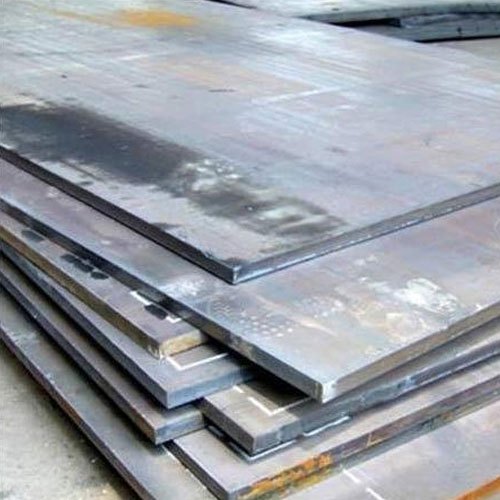
Yield strength refers to the stress at which a material transitions from elastic deformation (recoverable) to plastic deformation (permanent). For structural components made of Q235NH-such as guardrails, building facades, and small bridges-this value is non-negotiable:
It sets the upper limit for safe load design, preventing structural deformation or failure during service.
Room temperature (20℃) is the baseline for testing, as it aligns with the typical operating environment of most Q235NH applications (temperate regions).

Q235NH's minimum yield strength of 235 MPa is mandated by China's GB/T 4171《Weathering structural steels》, with strict testing protocols to ensure compliance:
: Tensile tests are conducted per GB/T 228《Metallic materials - Tensile testing - Part 1: Method of test at room temperature》, using standard specimens cut from Q235NH plates or sections.
: Specimens are tested at 20℃ ± 5℃, with load applied uniformly until plastic deformation occurs. The yield point is recorded as the minimum stress to cause permanent deformation (0.2% offset method if no obvious yield point exists).
: Suppliers must provide a mill test report (MTR) confirming each batch's yield strength meets or exceeds 235 MPa, alongside a compliance certificate for GB/T 4171.

Under standard supply conditions, Q235NH's yield strength is stable, but two factors can cause minor fluctuations (still within acceptable limits):
: For plates thicker than 25mm, yield strength may decrease slightly (by 5-10%) due to slower cooling during rolling. However, it still remains >=235 MPa per GB/T 4171.
: Thermo-mechanical controlled rolling (TMCP) enhances grain refinement, helping thick plates maintain yield strength stability. As-rolled plates may have slightly lower but compliant values.

Understanding the 235 MPa minimum yield strength guides safe and cost-effective design:
: Use a safety factor of 1.5-1.8 for static loads (e.g., building facades) and 2.0-2.2 for dynamic loads (e.g., highway guardrails) to account for environmental stress and material variability.
: Q235NH is suitable for low-to-medium load structures. For heavy-load components (e.g., bridge piers), opt for higher-strength grades like Q355NH (min yield strength 355 MPa).
: Proper welding (low heat input, 80-120℃ preheating for thick plates) ensures weld joints retain >=90% of the base metal's yield strength, avoiding strength loss.
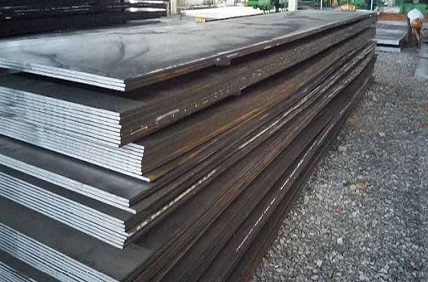
The 235 MPa yield strength positions Q235NH as an economic option compared to higher-strength weather-resistant steels:
Q355NH: Min yield strength 355 MPa, higher load capacity but 15-20% higher cost.
S355K2W (EN 10025-5): Min yield strength 355 MPa, similar to Q355NH but optimized for ultra-low temperatures.
In summary, Q235NH Corten Steel's minimum yield strength at room temperature is a standardized 235 MPa, regulated by GB/T 4171. This value defines its role in low-to-medium load outdoor structures, balancing cost-effectiveness and structural safety. By aligning design loads with this strength limit and accounting for thickness/processing effects, engineers can maximize the material's practical value.


